Sore breasts before your period: comfort and when to ask for help
Breasts can feel tender, heavy or achy before a period, often on both sides. That soreness may settle as the period ends. But pain that persists, changes or comes with a new lump or other symptoms should be checked rather than automatically blamed on hormones.
Start with comfortable support
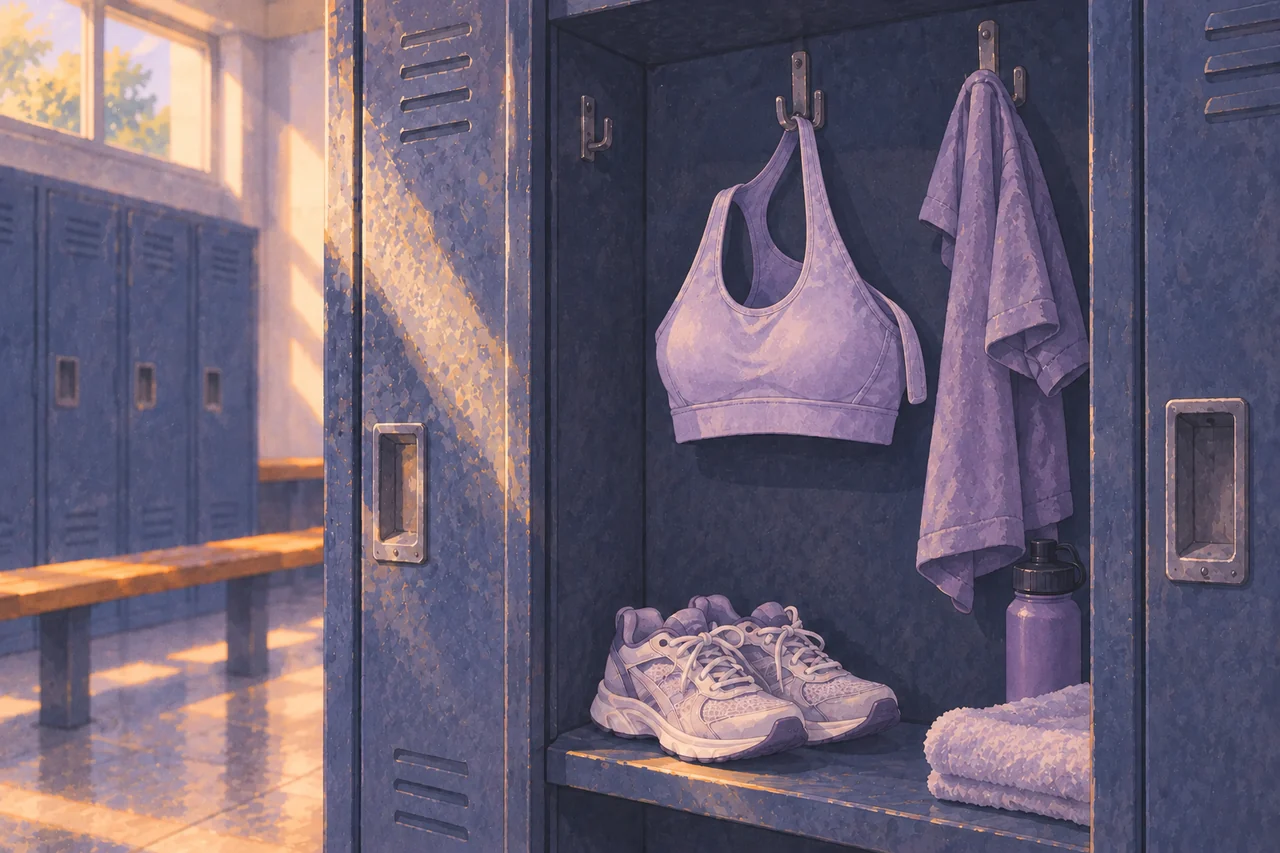
A well-fitting bra may help. Choose what feels supportive without digging in, including during exercise. If you need a different fit, you can ask for help in a shop or from a trusted adult without having to announce the reason to everyone.
For PE, tell the teacher if movement hurts and ask for an adjustment while you get advice. “I’m uncomfortable and need a different activity today” is enough to start the conversation.
What is useful to notice?
You can describe the soreness without doing a self-exam or repeatedly pressing the area. Note when it started, whether one or both sides hurt, and whether it improves after your period. Mention anything new that you have already noticed, such as a lump, skin change or nipple discharge.
If you have not had your first period yet, tenderness does not give you an exact start date. The first-period signs guide explains what puberty changes can and cannot tell you.
When to ask for care
Arrange an appointment if the pain does not improve or keeps affecting daily life. A new lump or nipple discharge needs assessment. Seek prompt medical help if a breast is red, hot or swollen, especially with fever.
A private way to ask
My breasts have been sore, and I’d like to ask a doctor about it. Can we talk somewhere private?
You can ask the clinician what an appointment will involve before any examination. You do not need to provide intimate photos to explain that you are in pain.
Where this comes from
- Office on Women’s Health: premenstrual syndrome — physical and emotional symptoms, timing and seeking support
- NHS: breast pain — cyclical soreness, comfortable support and warning signs
Sources checked October 7, 2026. General education, not a diagnosis or personal medical advice. These organizations have not reviewed or endorsed this guide. Tell us about a correction.