My pad is making my skin sore: irritation and getting help
Pads can sometimes irritate the skin around the vulva, but itching or soreness can have other causes too. Stop using a product that seems to trigger symptoms, keep care gentle and ask for medical advice rather than assuming every rash is a pad allergy.
Make the next change gentler
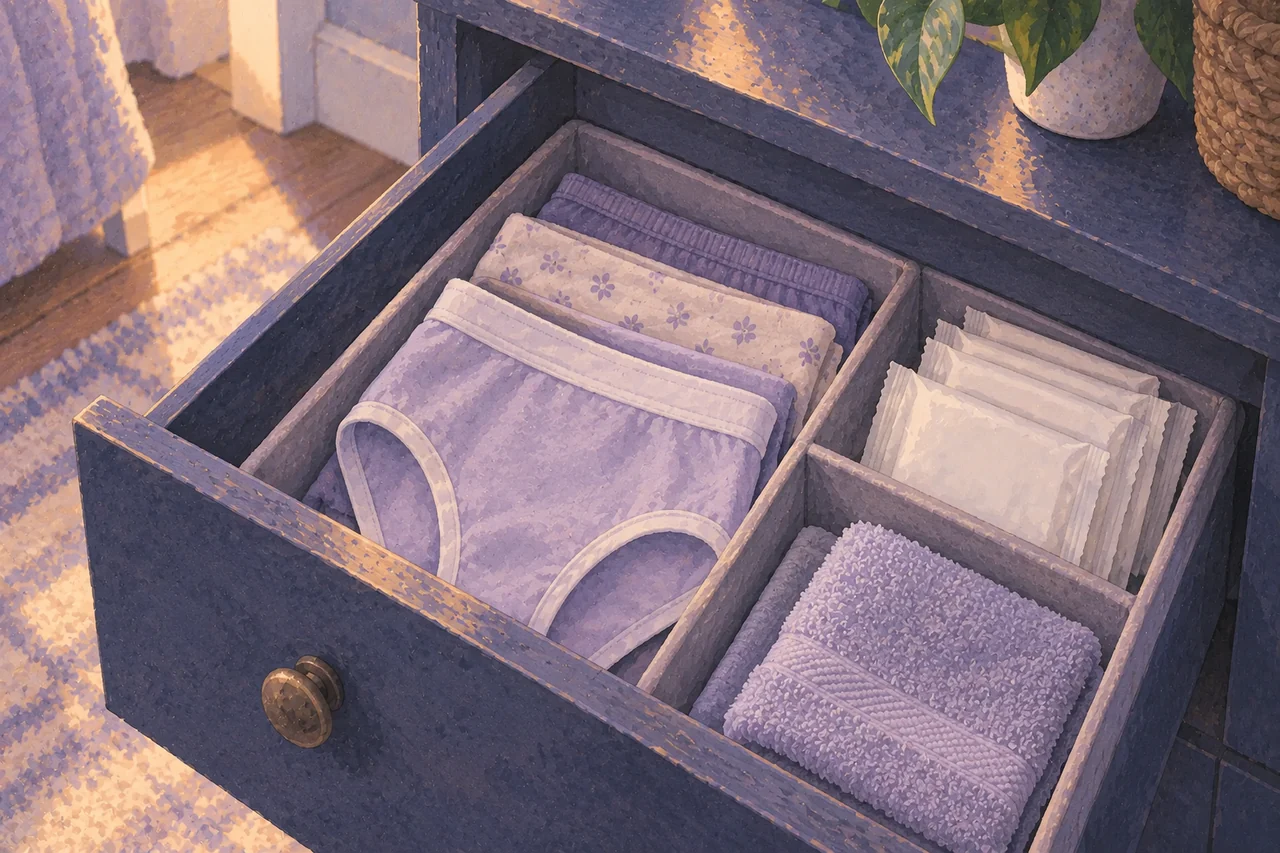
If possible, switch to a fresh, unscented product you have previously found comfortable. Choose underwear and clothing that do not rub the sore area. Wash the outside gently, pat dry and avoid scented wipes, deodorant sprays or scrubbing.
The vulva is the outside genital area. Do not wash inside the vagina or douche. Extra cleaning can make irritated skin feel worse.
What should you avoid trying?
Don’t put perfume on a pad, layer on fragranced products or try several itch creams at once. Ask a clinician before using a treatment for a suspected infection or rash; different problems can feel similar and need different care.
You also do not have to switch to tampons to solve this. Explain which products you’re comfortable with when asking for advice.
A short note can help you explain it
- Which product you were using, including whether it was scented.
- When the soreness began and whether changing products helped.
- Whether it feels itchy, burning, raw or painful.
- Any other symptoms, such as unusual discharge.
Asking without showing a photo
The skin around my period pad feels sore and itchy. I’d like help figuring out what’s causing it and what I can safely use.
When to get checked
Seek advice if symptoms persist, recur or are painful. Get prompt help if discomfort is severe or you feel unwell. You don’t need to diagnose the skin yourself or share intimate images to start that conversation.
The pad-change guide covers your routine, and showering on your period covers everyday washing.
Where this comes from
- Cleveland Clinic: vulvar dermatitis — possible product irritation, gentle care and diagnosis
- Nemours KidsHealth: period supplies — pad fit, wings and product comfort
Sources checked October 7, 2026. General education, not a diagnosis or personal medical advice. These organizations have not reviewed or endorsed this guide. Tell us about a correction.