How to tell your mom you got your period
You can keep it short: say that your period started and what you need. A text or written note is okay if saying it out loud feels awkward. You can ask your mom, dad or another adult you trust.
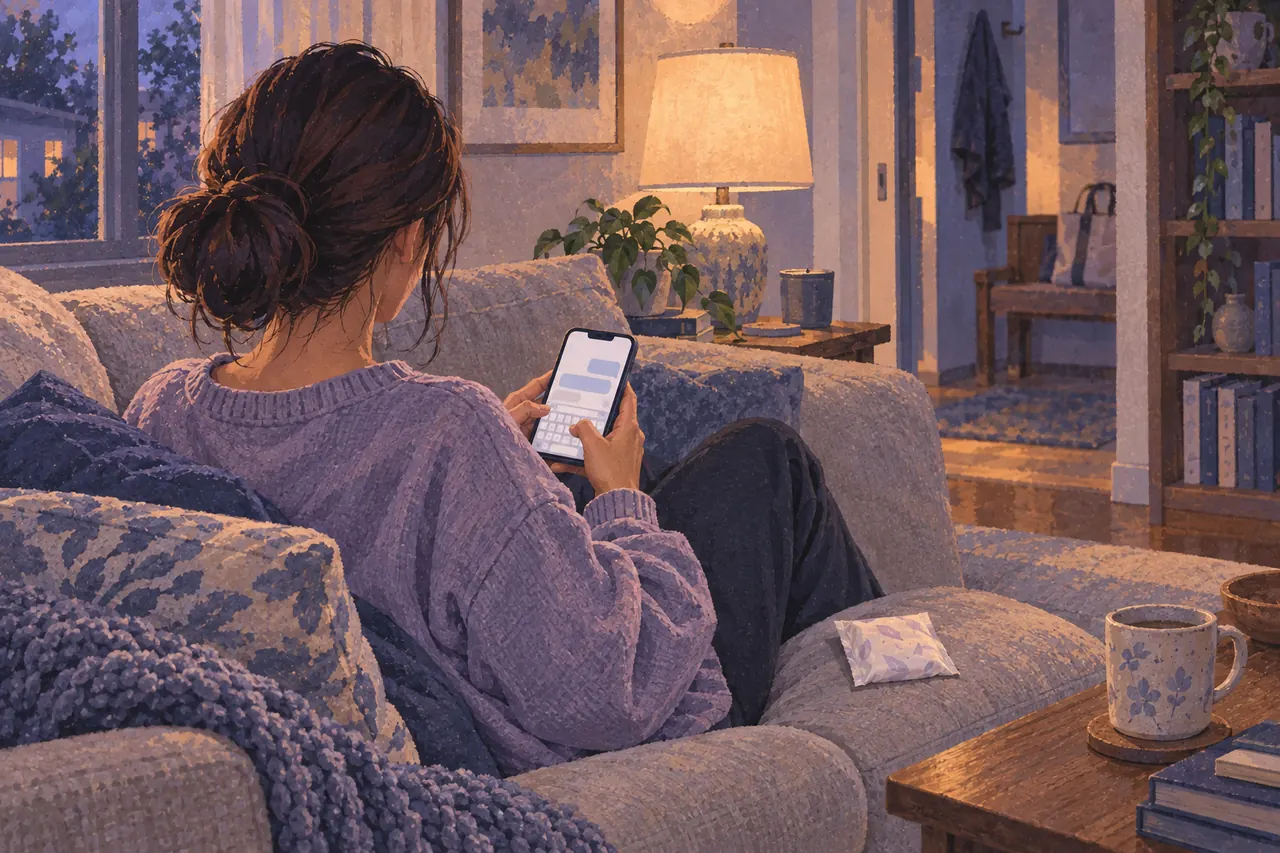
You don’t need a big announcement
Start with the practical part. Maybe you need pads, help washing clothes, or someone to explain which product is which. You can have a longer conversation later if you want one.
Just the essentials
I started my period. Could you help me get some pads? I’d rather keep this low-key.
If you aren’t sure yet
I think my period might have started, but I’m not sure. Can you help me figure out what supplies I need?
If you want help and privacy
You’re allowed to say how you’d like the conversation to go. Asking for support doesn’t mean you’re asking for a celebration, jokes or a family group-chat update.
A privacy boundary
I want your help, but I feel embarrassed talking about it. Please don’t tell other people or make a big announcement.
We can’t promise how another person will respond. Being clear about the help and privacy you want gives them something concrete to act on.
If your mom isn’t the right person
A dad, caregiver, older relative, school nurse or another safe adult may be able to help you get supplies. You don’t need to choose someone who personally has periods; you need someone who will listen and help.
For another trusted adult
Could I ask you something privately? I need period supplies and I’m not sure who else to ask.
If the first response isn’t helpful
Try making the immediate need specific: “I need a pad right now,” or “I need help getting clean clothes.” If telling someone at home would make you unsafe, choose another trusted adult, such as a school nurse or counselor.
While you’re waiting for help, the first-pad guide explains how to put one on. If you’re at school without supplies, start with the school plan.
Where this comes from
- Nemours KidsHealth: telling an adult — asking a parent for practical period support
Sources checked October 1, 2026. General education, not a diagnosis or personal medical advice. These organizations have not reviewed or endorsed this guide. Tell us about a correction.